Thursday, 27 September 2018

Mama Mia! analysis.

‘Mama Mia! Here we go again’ is the second Mama Mia film in which was released on the 20thJuly 2018. 
The production companies of this film are ‘Legendary Entertainment’ and ‘Playtone’, however these companies are not independent, they are subsidiaries to a conglomerate company called ‘Dalian Hexing Investment Co.’ this company is based in Dalian in China, however, Legendary Entertainment work with Universal Pictures and Warner Bros, therefore horizontal and vertical integration were able to be used when it came to advertising and distributing the product, this is due to the fact that Universal own multiple subsidiaries in which are able to distribute and advertise the product to a large audience, such as: Focus Features, Dreamworks Animation, Gramercy Pictures, Corymore productions, Harvey films, film roman, illumination entertainment, universal Orlando and so on, advertisements / trailers would be played before / during films and videos and posted on social platforms such as websites for these companies, which is how they would gain popularity and recognition towards the product. 

The film could be marketed through traditional methods of advertising such as: on billboards, on posters, in magazines and newspapers, flyers and broachers, on the radio, on TV adverts and through direct mail, and on public transport, if a film was produced, this film could be distributed through traditional channels such as on DVD, TV or the cinema. 

The film could also be marketed through new digital media methods of advertising, for example, via social media’s such as: snapchat, Instagram, Facebook, YouTube, Twitter, on websites and via celebrity endorsement, advertisements that are posted on the internet also have new extra elements in which make them interactive such as: hyperlinks, recommendations, QR codes and so on, new media distribution channels could be one such as apps / websites, for example: Netflix, Amazon Prime, TubiTV, ShowBox, PlayBox HD and so on, these services are joint venture with Universal as they’re not subsidiaries to the company but do work with them to distribute their product. 

Elements of synergy are evident across digital media platforms such as Instagram, snapchat, Facebook and twitter, and also traditional media platforms such as on posters, billboards, leaflets and in magazines, for example the colour blue is prominent on all advertisements that are posted onto different social media’s within the logo and white space, the logo and slogan are always in the same font, and the actors always seem to the doing the same sort of poses, e.g:
I think this use of synergy creates recognition towards the film as over time people may start to associate the colour blue with the film Mama Mia due to its dominance within the advertisements, the adverts usually seem to be very similar and don’t have much difference across different channels, therefore connoting that the producers wanted all the advertisements to have a similar appearance as one another as this will make the advertisements stay in your head as the overall appearance of the advertisement is constantly more or less almost the same.  

Lo3 - Editing techniques .

Editing involves:
- taking out footage and sound that isn't needed.
-adding special FX and transitions.
- arranged footage to create a narrative.

Continuity editing definition  - editing that is continuous in creating a narrative for the audience to understand.
- appears to be 'invisible' using 'cuts'.

continuity editing techniques:
- shot reverse shot structure - juxtapose two images in order to create a link between them.
- action match,
- cross cutting,
- cutaway,
- insert shot,
- eye line match.

Action Match:
- an action match is where an action began in one shot is commuted in the next shot disguising the fact that there has been a cut.

- Cross cutting or parallel editing refs to an editing sequence that cuts between two (or more) narrative events on which are occurring in different places, usually simultanitously
- gives the sense of 'meanwhile'

- sound bridge is a solid edit.

eye line match is a kind of shot-reverse-shot structure, which shows what a character is looking at, a reaction shot is involved in this as when we see someones emotions (typically from an eye line match) we call it a reaction shot.


In this clip, three different shot types are used, the first shot is a master shot edit, this shot type shows the distance between the two characters which helps demonstrate the relationship they have, secondly an insert shot is used again to help demonstrate the type of relationship the two have, the insert shot shows them holding hands, connoting that they're in a romantic relationship, it then goes on to the shot reverse shots, these shots allow the audience to see the conversation from each characters point of view, reinforcing the fact that they're having a conversation.


In the opening scene of the film Casino Royale, Daniel Craig is shown kicking his enemies across three different scenes, this happens inbetween times 1:28-1:31, this is an example of an action match edit.


Here we are shown an example of crosscutting at the start of the scene as the audience is shown an outdoor location and then an indoors location back to an outdoors location.


In the ending scene of the film clue, the maid is being portrayed as a killer, this is shown using a cutaway scene with sound bridges of an explanation on how she killed the others.


In this clip an insert shot is used to show the audience what the character is looking at, this helps the audience to understand the narrative more as they understand why the book is important / is being read by the character, the insert shots on this clip are also seen from a persons point of view.


Wednesday, 26 September 2018

Sound in media product analysis.


In the Woman in black trailer, diegetic sound is used in-between timings 0.02-0.05, I know that this sound is diegetic due to the fact that a train is denoted moving across the screen blowing smoke out from its chimney, this visual imagery is is accompanied by the sound of a train whistling, this use of diegetic sound helps connote to the audience that a new journey is taking place, creating spectacle as we don't know where this journey will lead to, secondly, digetic sound such as the sound of wind blowing in the air is used between times 0.14-0.16, this digetic sound accompanies an establishing shot of an isolated outdoors area, the blowing wind connotes to the audience that the location is cold and windy, creating a more dull and serious atmosphere, the sound of a creaking door is also used between times 0.23-0.26 when the main character Daniel Radcliffe is opening the main door to the  mansion, this sound reinforces the fact that the mansion is old and abandoned as a creaking door connotes that no one has used the door / has been in the house for s long time, lastly sound of a glass shaking around on a table is used whilst having alcohol poured into it by a very worried waitress who is concerned for the main characters well being, (shown between times 0.41-0.42), the shaking glass sound connotes that her hands are shaking as she's holding the glass, therefore reinforcing her nervous emotions to the audience.

Non-digetic sound is also used in the trailer, for example at the start of the trailer, soft, fairy-tale like music accompanies the scene of the train setting off into the distance, connoting to the audience that the start of a new journey into the unknown is occurring as this genre of music is typically creates a sense of mystery, secondly, non-digetic sound is used between times 0.28-0.33, this sound is of a deeply pitched, long noise that builds up slowly getting louder and louder, this sound is used during the build up to a jump scare, therefore the sound helps connote to the audience that something bad may happen as a sound getting louder creates tension and fright, due to the fact that we don't know what the sound is leading up to, non-digetic sound is used between times 0.41-0.45, this sound is of a repetitive, heartbeat-like, fast paste clapping sound, this use of sound connotes to the audience that the main character is scared / in trouble as this sound mimics the pattern of a fast beating heart, therefore connoting that his heart is racing due to him being frightened, lastly non-digetic music is used towards the end of the trailer between times 1.12-1.29, this music consists of a repetitive booming sound, the booming sound creates fright as it mimics the sound of an alarm, therefore the music helps connote that the film gets extremely chaotic and frightening towards the end as the music accompanies various different scenes that show many jump scares and frightful scenes compared to the rest of the trailer.

Use of sound.

- Diegesis is the 'story world' /  the world of the narrative.
- how real the diegesis appears is linked to the level of verisimilitude (which means the appearance of being real).
-a story world is a diegetic world.

- Diegetic sound is sound that appears as thought is it coming from the story world of the film or tv programme, e.g. dialogue / tone or sound effects (includes foley sound)
- There sounds are added during production and post-production (to create meaning), sound effects and dialouge are planned carefully during pre-production.

Dialogue:
-tone ( pitch)
-accent (pronunciation)
-dialect (specific words)

Sound effects:
-foley sound (sound that is made physically with objets to mimic other sounds)

I think a foley FX artist would be responsible for:
- ensuing that the sound FX's sound realistic as they will impact the outcome of the production.
- creating a creaking door sound FX.
- creating the sound of wind.

Non-diegetic sound is sound is clearly not coming from within the story world, e.g. incidental music (edited in music to accompany a certain scene or a theme tune), or non-diegetic sound effects.
- these are added at the stage of post-production to create meaning for the audience (foley sound FX / an unrealistic sound used for emphasis)

-a sound motif: is a badge (a sound badge) in which is associated with a specific element, e.g. Darth Vaders introduction music.


Tuesday, 25 September 2018

Camerawork media product analysis.


In the trailer for the woman in black, shot types such as an establishing shot are used to establish the location and iconography within the film, for example an establishing shot is used between 0.21-0.32 to establish the‘haunted’ mansion in the film, it shows the main character walking towards this mansion, facing it head on, this connotes that the mansion will be challenging for the main character to deal with, secondly an insert shot is used between 0.52-0.53 of a doll being crushed by a little girl walking over it, this use of inset shot helps connote to the audience that the little girl's characters are challenging to a stereotypical young girl as they're being violent and not caring about dolls, this conventional to horror films as it makes the girls seem 'demonic', a shot reverse shot has been used between 0.11-0.14 to show a conversation between local man and the main character (Daniel Radcliffe), this shot type helps set the narrative and connote that the main character Daniel is in for a surprise when he tries to sell the mansion as the local man says "you're not going to find a local buyer", connoting that the whole town is familiar with the place and wants nothing to do with it, this makes the audience want to know why therefore creating effects such as disequilibrium and mystery. A point of view shot is also denoted between 0.57-0.59 of a boy rising from his grave, this shot type is conventional to horror films as it allows the audience to see the scenario though the main characters eyes, this is done to reinforce the emotion of fear as we only feel this emotion for the main character, therefore by letting the audience see though his eyes it emphasises the fear we feel as it makes us feel as though we are in his situation.

Angles such as a high angle shots are denoted within the trailer, for example a high angle shot is used between 0.23-0.26 when Daniel Radcliffe enters the ancient mansion, this connotes to the audience that the supernatural elements in the mansion have the most dominance / power at this point as Daniel  Radcliffe is denoted being lower down and smaller than her, making him seem weak and able to defeat, this is conventional to horror films due to the fact that it gives the protagonist / evil character the higher ground at to create as sense of fear for the audience which is relevant as we associate this emotion with horror. A dutch angle is denoted 1:25, this angle connotes that there is a problem as the angle isn't straight / in a perfect position, connoting that something in the scene isn't right / perfect either, this is conventional to horror films as disequilibrium always occurs and this angle helps establish that. 

Camera movements are used within the trailer to create effects, for example a crane shot is denoted whilst panning backwards to establish more of the location, which helps connote that they're in an isolated place (a small road across a sea with no surroundings), this type of camera movement is conventional to horrors film as we don't know what will be revealed as the camera slowly pans out, creating the fear of the unknown and tension. Between 0.46-0.48 there is a denoted building on fire accompanied with crying, injured people, the camera movement used to film this scene is hand held, therefore the camera is shaking and unsteady as no equipment is supporting it, this movement helps connote enigma as the unsteadiness of the camera reflects the emotion of fear due to it's shakiness, therefore this camera movement is conventional to horror films as fear is a main element that horror films try to portray and make the audience feel, between 1.00 - 1.02 the camera is rising upwards whilst spiralling, this movement is used once Daniel Radcliffe has just escaped from a supernatural element that was chasing him, the movement signifies that there is a problem as the twisting motion connotes that things aren't stable. 

Different depth of field is used thought out the trailer to create effects, for example at 1.33 a higher f-number is used in the aperture due to the fact that the scene was filmed in a dark room, this use of depth of field is conventional to horror films as a low-key lighting creates the fear of the unknown and fright however we wouldn't be able to use dark lighting if the camera didn't allow more light into the lense. Rack focus is also used at 0.44 as the camera focuses on Daniel Radcliffe whilst the 'woman' is blurry in the background, this creates creates fear as it signifies that the woman is so terrifying even the camera doesn't want to focus on her, therefore reinforcing the fear surrounding the supernatural which is conventional to horror films.


Sunday, 23 September 2018

Mise-en-scene media product analysis.

The media product I have chosen to analyse is the trailer for the film ‘The Woman in Black’ this film was released on the 10th of February 2010 and has a domestic total gross of $54,333,290, the target audience for the film is males and females under the ages of 25, due to the fact that the BBFC rating for the film is a 12, therefore connoting that the film / trailer is aimed at a younger audience.


The genre of the film is horror, therefore the film is full of codes and conventions which reinforce the theme of horror throughout the film, for example, the mise-en-scene used in the film is very conventional to horror films, such as the location and iconography, the film is set the 1900’s in a low-populated old village in the countryside and the majority of the film is shot in an ancient, harrowing mansion, these locations and iconography are very typical locations and eras used in horror films due to the fact that we associate abandoned buildings and ‘old’ settings with being haunted and ghostly as that most ‘ghosts’ talked about in stories and films have old characteristics such as wearing old clothing like bonnets and long dresses, therefore due to the fact that these characteristics are associated with time eras such as the 1900’s these specific settings help create an eerie environment, secondly broken gates and fences surround the area connoting that destruction and harmful elements are around, which again adds to the unease and mystery in the atmosphere, this is conventional to horror films, lastly the weather in the location is constantly cloudy and rainy with storms including thunder and lightning, therefore the weather acts as pathetic fallacy as we associate these weather types with feeling emotions such as being glum and depressed or scared, therefore again adding to the horror theme.

The costumes used in the film are ones such as tailored suits, long blazer coats, farmer hats, long dresses and bonnets, ribbons and smart shoes, these costumes help connote to the audience what time era the film is set in (that being the 1900’s) due to the fact that the costumes represent the way people dressed back then, these costumes also help add to the eerie, horror theme within the film as they’re associated with what ‘ghosts’ are typically seen wearing, due to ghosts being old and from the past, therefore by getting all actors to wear these costumes, it intensifies the daunting atmosphere within the film, secondly, special FX make-up is used to reflect the horror genre within the film, such as: making children’s face’s look extremely unwell and pale or covered in blood or mud, these elements connote that something traumatising and horrific must have happened to these children as it’s abnormal and terrifying to see this type of appearance on a child, therefore reinforcing the horror within the film as we’d never want to see our children go through what these children in the film are suffering, making us fear for the characters and question what else will happen.

Props in used in the film are ones such as authentic little children’s toys and dolls, dolls in which have these type of appearances (big beady eyes and styled in old fashioned outfits) have become a huge fear in recent society as they’re seen as extremely creepy, therefore these props are a typical code in which reflect the genre of horror as they create fear and unease due to people’s phobias of these dolls, secondly, props such as old fashioned cars are used to add to the iconography in the film in which reflects the horror genre as these old settings are seen as eerie due to the fact that the modern generation are not familiar with these types of settings, props such as grave stones are also used, grave stones are a very typical code used to reinforce the horror genre thought out the films as grave stones are associated with death, which is an element in which is associated with terror and horror,  elements such as cobwebs and dust are used to reflect horror as these elements connote that a place is uncared for, meaning anyone or anything could be in that location, this creates disequilibrium and enigma as the audience don’t know what will happen which is conventional to horror films.

Acting gestures denoted in the trailer are ones such as the main actor (Daniel Radcliffe) holding his hands on his face, this acting gesture signifies that he is feeling shocked and uneasy due to the fact that we associate putting our hands on our face as a sign of stress or uncertainty, therefore reflecting the horror genre are we are shown that the character is feeling scared, another acting gesture denoted in the film is the actor raising and waving this hands up in the air, this acting gesture connotes that the character is signalling for help, this shows that he feels he is unsafe, therefore reflecting the theme of horror as feeling unsafe is another convention to horror films.

In the trailer certain lighting is used to create effects such as the use of flashing lights, this makes the audience feel uneasy as one minuet the room is lit and the next it’s pitch black,  therefore the audience doesn’t know what is going to happen between different lighting stages, this creates mystery which is an element in which is convention to horror films, secondly low-key lighting is used within tense scenes of the trailer, this intensifies the scene as you’re unable to clearly see what is happening, therefore creating the feel of danger and fear as anything could happen, this low-key lighting also has effects such as making the mood more serious and moody as it’s this type lighting reinforces the fear of the unknown.

Lastly the colours used within the title pages of the trailer are ones such as reds, blacks and whites, these colours are conventional to horror films due to the fact that the colour red reflects blood, therefore connoting violence and danger, the colour black reflects darkness in which is associated which mystery and the fear of the unknown and the colour white reflects death as this is what you see when you pass, therefore reflecting the genre of horror.

Thursday, 20 September 2018

Lo3 - Camerawork.


The purpose of camerawork is to:
- involve the audience in the scene / narrative
- create spectacle (excitement)

Camerawork categories:
-shot types (framing & distance) e.g. extreme close-up shot.
-camera angles (position of camera) e.g. high angle shot. 
-camera movement (how the camera travels) e.g. panning to the left.
-composition (framing & focus) e.g .rule of thirds, depth of fields. 
Image result for medium shot

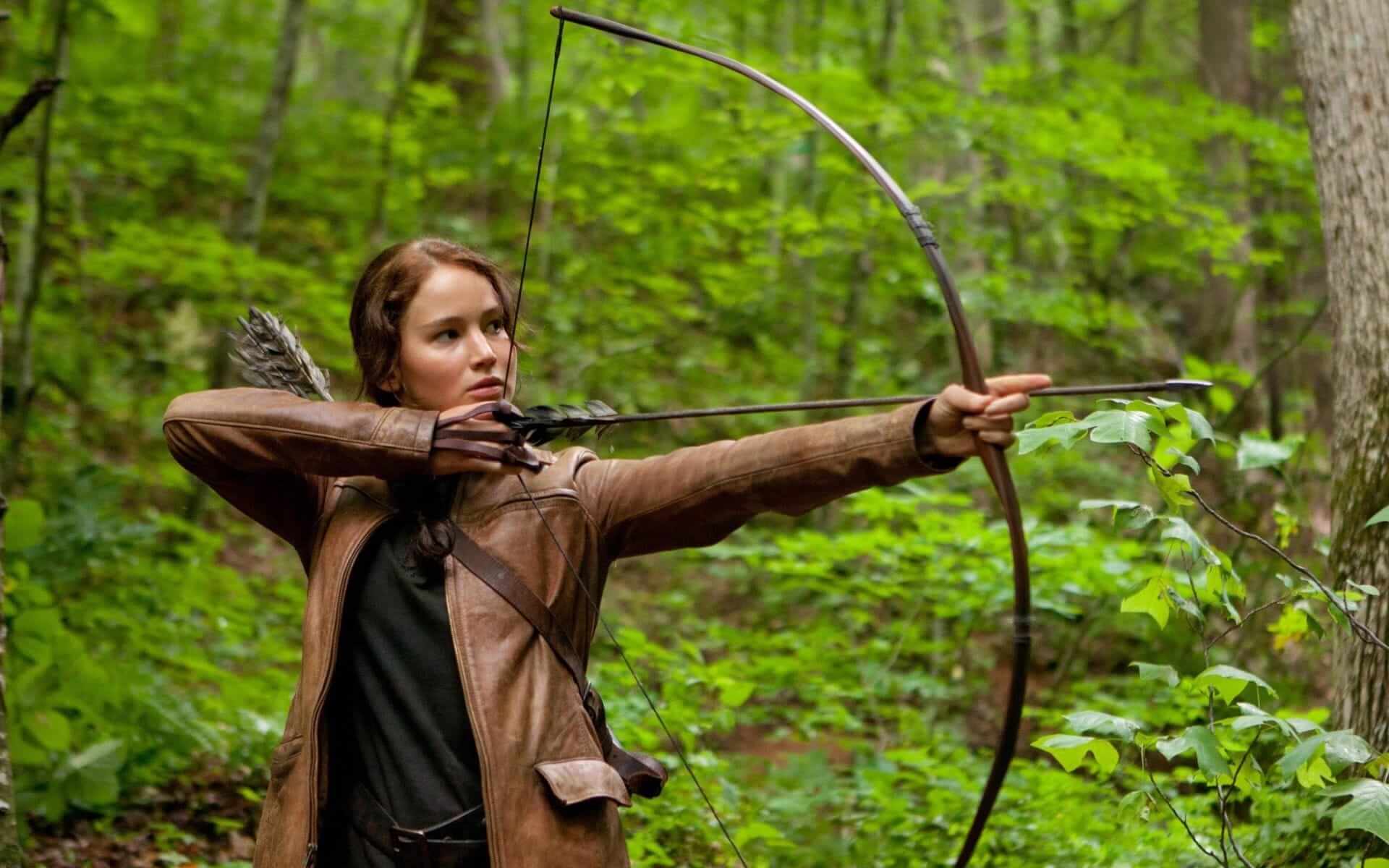
A medium close-up shot connotes to the audience the emotions in which the actor is feeling as you're still able to denote the actors face from this shot, however you can also denote the outfit that the actor is wearing and get connotations of what her costume implies about her, for example this medium close-up shot allows us to see that she has a straight face, connoting that she is being very serious in what she is doing, secondly we can denote that she's wearing a black jumper and brown leather jacket, this connotes that she doesn't necessarily care about her appearance or looking good for others as she's fully covered up, wearing boring, plain clothing, lastly you're able to denote the bow & arrow in which she's using, this connotes that she's a strong independent woman as she's able to fight for herself and doesn't need a 'man' to do this for her.  
Related image Image result for high angle shot

A low angle shot creates the illusion that the character is powerful and dominant, this is due to the fact that the camera is lower down in comparison to the actor, therefore making them seem bigger than the audience.

A high angle shot creates the illusion that the character is vunrable and weak, this is due to the fact that the camera is higher up in comparison to the actor, therefore they appear lower down making them easier to 'attack'.
Image result for dutch angle shot 

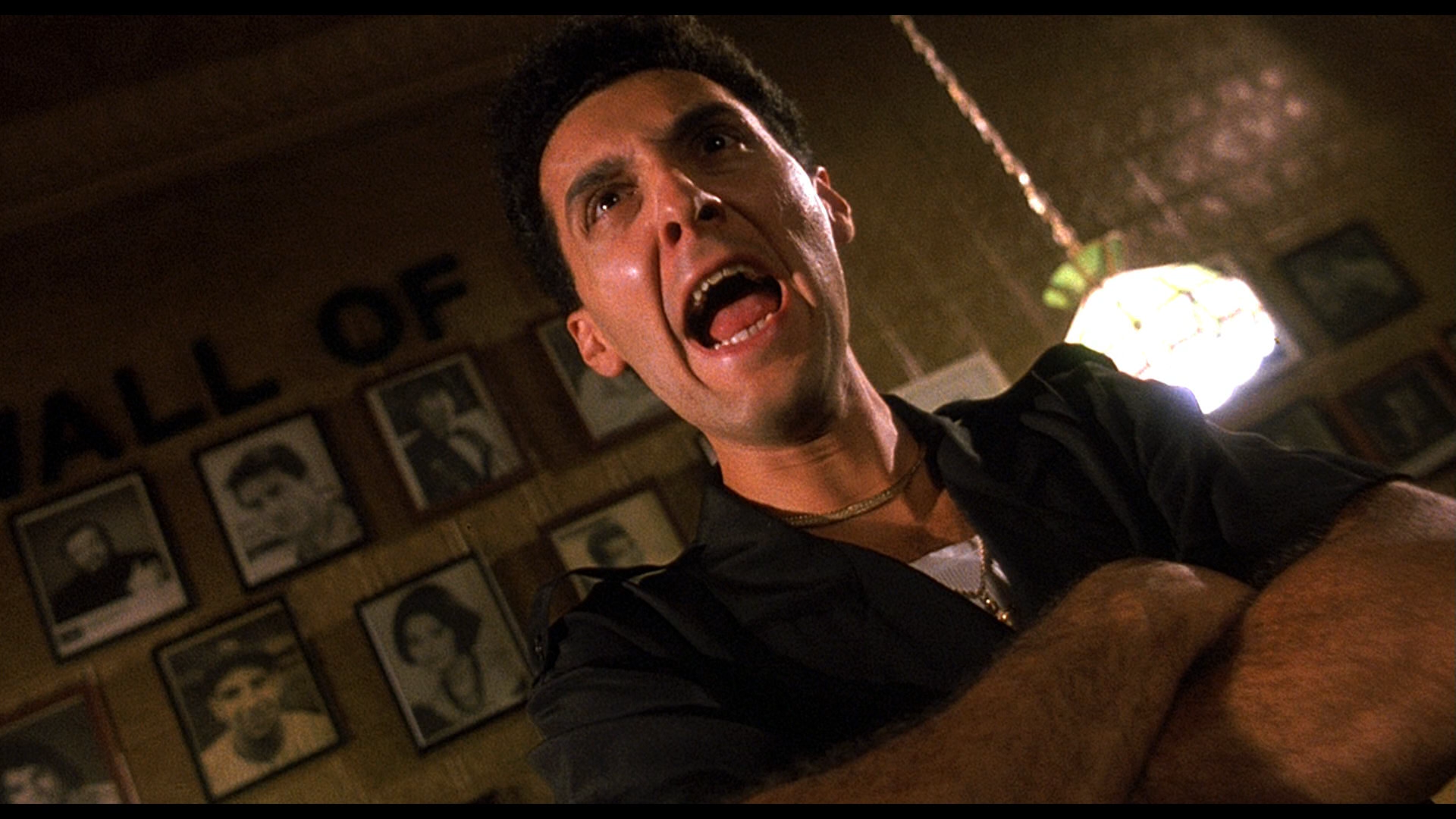
A dutch / canted angle is an shot type in which connotes disequilibrium / enigma in a scene, his is due to the fact that the angle is slanted and not quite in a 'perfect' position, therefore creating the effect that something isn't quite right in the scene too. 


Shot types.


Wednesday, 19 September 2018

Fantastic 4 - Mise-en-scene.

costumes & makeup:
- causal T-shirts & jeans, glasses (relateable)
-astronaut suits (sci-fi & spectacle - space)
-matching skin, tight bodysuits.
-army / general uniform.
-iron mask, covered with sheet / cloak.
-dirt & blood on faces.
Props:
-shuttle ship.
-scaffolding.
-unrealistic technology.
lightning:
-very dark.
- contrasting darkness with fire & lights.
-flashing lights in building (danger)
location:
-Space.
-outdoors.
-city.
iconography:
-around this day and age yet futuristic (people with special powers)
-city skyscraper.
-explosions.
editing:
-fire FX.
-Explosions.
-in outer space.
-turning actors in people with super powers.
-lots of CGI.
gestures:
-holding onto things
-first bumps
-blowing up cars
-reaching out for people (panic)

Lo3 - codes and conventions.

Understand how meaning is created in media products.


Macro elements (wider meanings) :
Genre - group, type, themes.
Narrative - stories, plot.
Representation - how the media portrays different elements.


Micro elements:
Mise-en-scene,
Camerawork,
Sound,
Editing.

Meaning or macro ideas and elements are made up of micro elements. 

Mise-en-scene: what we see, e.g. location, props, gestures, costumes, lighting, iconography, colour.


KTA 1 feedback sheet.


Tuesday, 18 September 2018

Lo2 - recap.

technological convergence  - where old and new technologies are combined together, e.g - iTunes - record player. 

Synergy - when a brand or product is promoted across differs platforms to maximise its success / profit.

cross media ownership - when a product os available over various different platforms / medias. 

black box devices - smart phone or device that has lots of technologies in it. 

explain how technological convergence has changed advertising and distribution of media products.

technological convergence has changed advertising and distribution of products as instead of using posters to advertise a product, you're able to upload posters 
(ads) online which can reach a much larger audience as you don't have to be in a specific location to see the advert, you just need to be on your phone which could be anywhere, further more these digital advertisements include elements such as hyper links, QR codes, recommendations and so on, making them interactive, therefore they're much more intriguing as there's more to the ads than meets the eye. 

Wednesday, 12 September 2018

Lo2 - advertising methods.

traditional methods:
-print & publishing: newspaper, magazines, leaflets, poster, billboard adverts.
-Tv: advertisements, film trailers, interviews about product.
-Radio: audio adverts & interviews.


digital methods: (push marketing)
-interactive content, hyper links, recommendations, QR codes, celebrity endorsement.

Technological convergence:
where old and new technologies are combined together, e.g - iTunes - record player. 

Example of technological Convergence:
- Credit Card - Apple Pay.
- Video recorder - Camera.
- Calculator - digital calculator.
- calander - online calendar.
- Record Player -  iTunes, Spotify, Soundcloud, YouTube. 

Web 1.0: is just text based not interactive.
Web 2.0: interactive web.
Web 3.0: personalised internet.

 blackbox devices- smart phone or device that has lots of technologies in it. 

Theorist: Henry jenkins (2006) about how we now live in a convergence culture, using technologies in portable devices to use on a daily basis.

On a daily basis I rely on my smart phone to wake me up in the morning with an alarm,  to communicate with friends and family, check my social medias such as SnapChat, Youtube, Instagram, Facebook, as its a way to keep up to date with friends and family and they also keeps me entertained when I have nothing else to do, I use an app called UniDays to get discounts in shops, I also listen to music on my phone everyday using apps such as Spotify, iTunes and Soundcloud. 

Synergy - when a brand or product is promoted across differs platforms to maximise its success / profit, e.g:


Thursday, 6 September 2018

Glossary.

Commerical - makes a profit ( most companies exist to make money)

Public Service Broadcaster - funded b public money (BBC and TV licence fee, channel 4 also has some PSB remit)

Joint Venture - when one company works with another, this is beneficial for both both of them as it creates profit.

Horizontal integration - e.g 21st century Fox product is promoted by Fox TV, Sky, Star (TV) Radio, Fox Home Entertainment, The. sun .etc

vertically integrated - e.g 20th century Fox produces, distributes and owns mediums that allow audiences to consume products. 

congolomarate - large company that owns other companies.

subsidiaries  - company in which is owned by a larger company.

independent  - company that works independently / with no other companies. 

mogul - the owner of many media companies.

cross media ownership - when a product os available over various different platforms / medias. 

narrow casts - target specific audiences (niche)

celebrity endorsement - advertising products / get paid to advertise somthing 

technological convergence  - where old and new technologies are combined together, e.g - iTunes - record player. 

blackbox devices - smart phone or device that has lots of technologies in it. 

Synergy - when a brand or product is promoted across differs platforms to maximise its success / profit

Web 1.0: is just text based not interactive.

Web 2.0: interactive web.

Web 3.0: personalised internet.

Mise-en-scene - what we see - location, props, gestures, costumes, lighting, iconograohy, colour.

Iconograohy - tells us where / when something is set.

Trope - another word for 'convention'.

Lo6 - Theories.

GENRE THEORY. Patrick Philips (1996)  - genre offers commutable reassurance Barry Keith (1995)  - all genres have subgenera Brandso...